In short
- Kumbhalgarh features a 36-km wall and sits at 1,100 meters elevation.
- Chittorgarh covers a larger area and features several water bodies.
- Kumbhalgarh fell only once, while Chittorgarh has a tragic siege history.
In this article
Both forts hold UNESCO World Heritage status under 'Hill Forts of Rajasthan'. However, they offer different experiences. Kumbhalgarh stands out for its military defenses and high-altitude wilderness. Chittorgarh is known for its sprawling size and famous history of sieges.
What are the main differences between Kumbhalgarh vs Chittorgarh Fort?
Kumbhalgarh offers a remote, high-altitude military fortress, while Chittorgarh provides a massive plateau filled with water bodies.
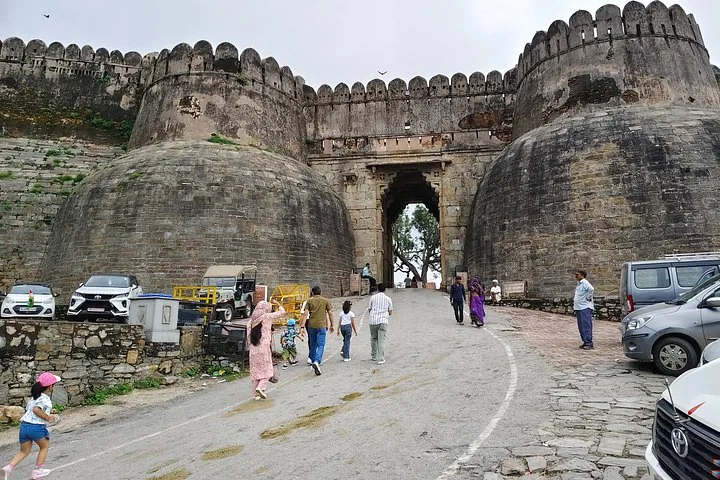
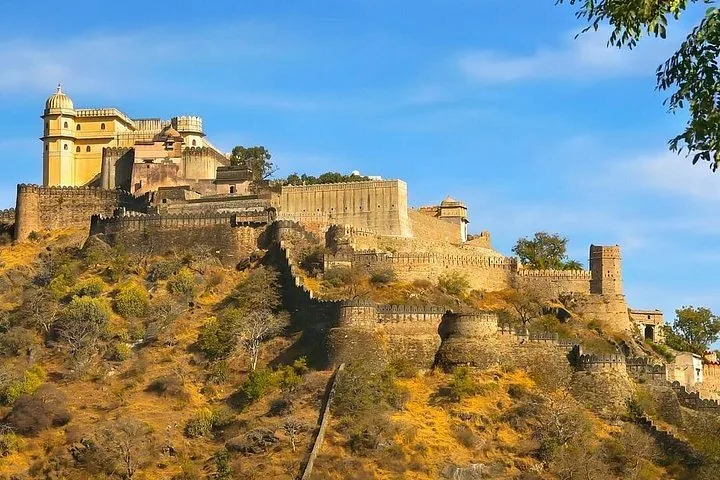
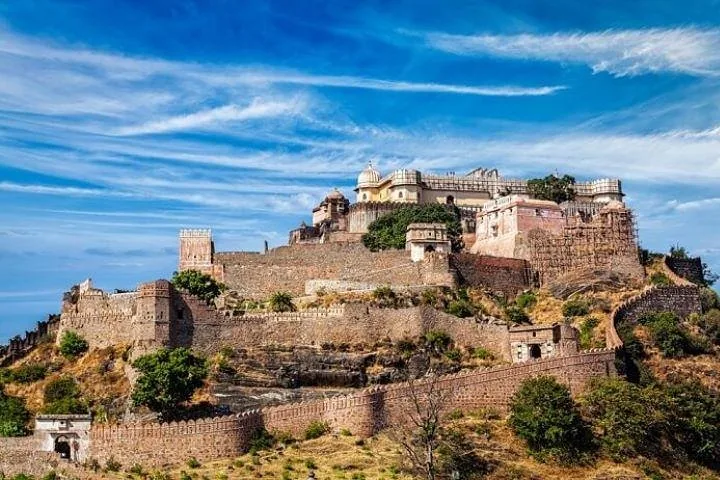
Maharana Kumbha built Kumbhalgarh in the 15th century. It sits 1,100 meters (3,600 feet) above sea level in the Aravalli Hills. The fort is heavily defended by seven massive gateways and a 36-kilometer (22-mile) perimeter wall. Chittorgarh covers a noticeably larger area. It features several large water bodies and is famous for its tragic history of repeated sieges.
Which fort has better walls and defenses?
Kumbhalgarh is globally recognized for its continuous perimeter wall.
The wall at Kumbhalgarh extends approximately 36 kilometers (22 miles). It is widely considered the second-longest continuous wall in the world. This thick defense system helped keep the fort unconquered in battle, falling only once due to a water shortage. You can walk along the top of the wall near Hanuman Pol for wide views.

How does the surrounding landscape compare?
Kumbhalgarh is surrounded by dense wilderness, whereas Chittorgarh is an expansive plateau.
The Kumbhalgarh Wildlife Sanctuary surrounds the fort, covering over 600 square kilometers. This provides a green, forested backdrop, especially if you visit during the late monsoon (August to September). Chittorgarh sits on a large hill plateau above a modern city, defined more by its internal water bodies than by a surrounding forest.
Which fort takes longer to explore?
Chittorgarh requires more time due to its larger area, while Kumbhalgarh takes 2 to 3 hours.
At Kumbhalgarh, you can thoroughly explore the primary palaces and temples on foot in about 2 to 3 hours. The climb to Badal Mahal is steep and uneven. Chittorgarh has a much larger footprint. Visitors usually need more time or a vehicle to move between the scattered monuments and water bodies at Chittorgarh.
Which fort has more temples?
Kumbhalgarh houses over 360 temples securely within its walls.
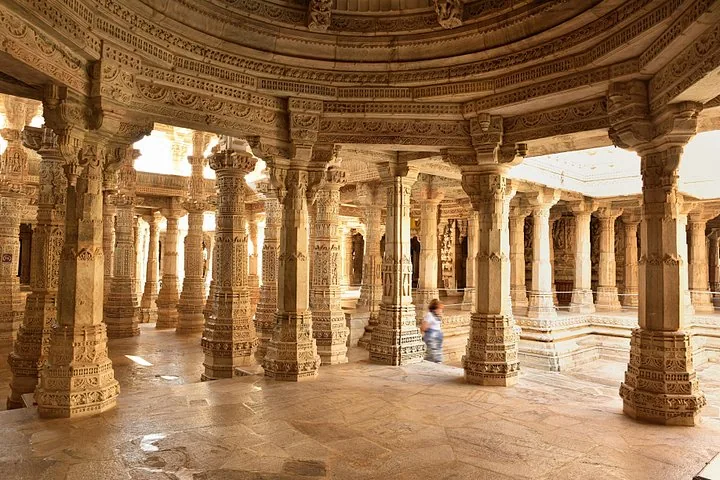
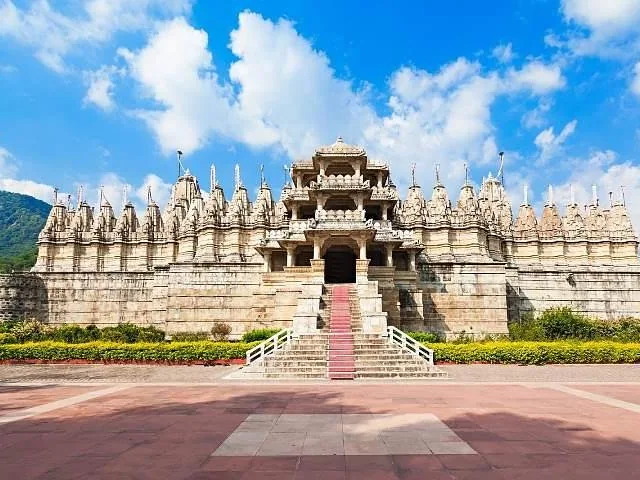
The Kumbhalgarh complex contains roughly 300 Jain temples and 60 Hindu temples. Notable shrines include the Neelkanth Mahadev Temple, which has a huge stone lingam, and the three-storied Vedi Temple near the main entrance.
Can I visit Kumbhalgarh on a day trip from Udaipur?
Yes, you can easily reach Kumbhalgarh from Udaipur in about 2 to 2.5 hours by car.
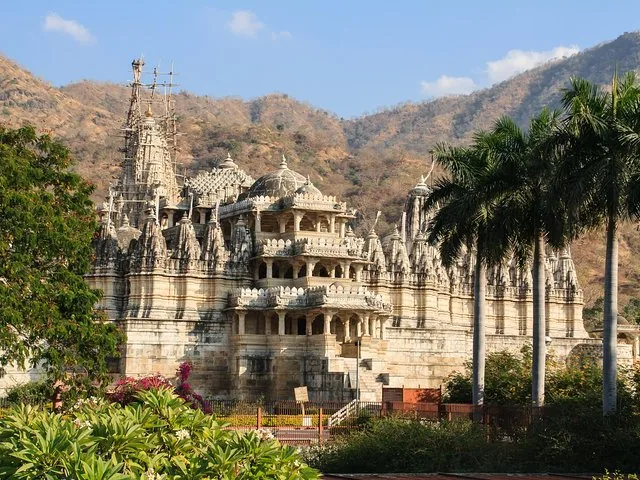
The distance is about 85 kilometers. Many visitors hire a private taxi via SH32 or NH162 Extension. You can also book a full-day guided excursion that usually combines Kumbhalgarh with the Ranakpur Jain Temple. This takes 8 to 10 hours total.
Questions travellers ask
What is the entry fee for Kumbhalgarh Fort?
The Archaeological Survey of India charges ₹35-₹40 for Indian citizens and ₹550-₹600 for foreigners.
Who built Kumbhalgarh Fort?
Mewar ruler Maharana Kumbha built the fort between 1443 and 1458.
When is the best time to visit Kumbhalgarh?
The fort is open year-round. The winter months (October to March) or late monsoon (August to September) offer the best weather.